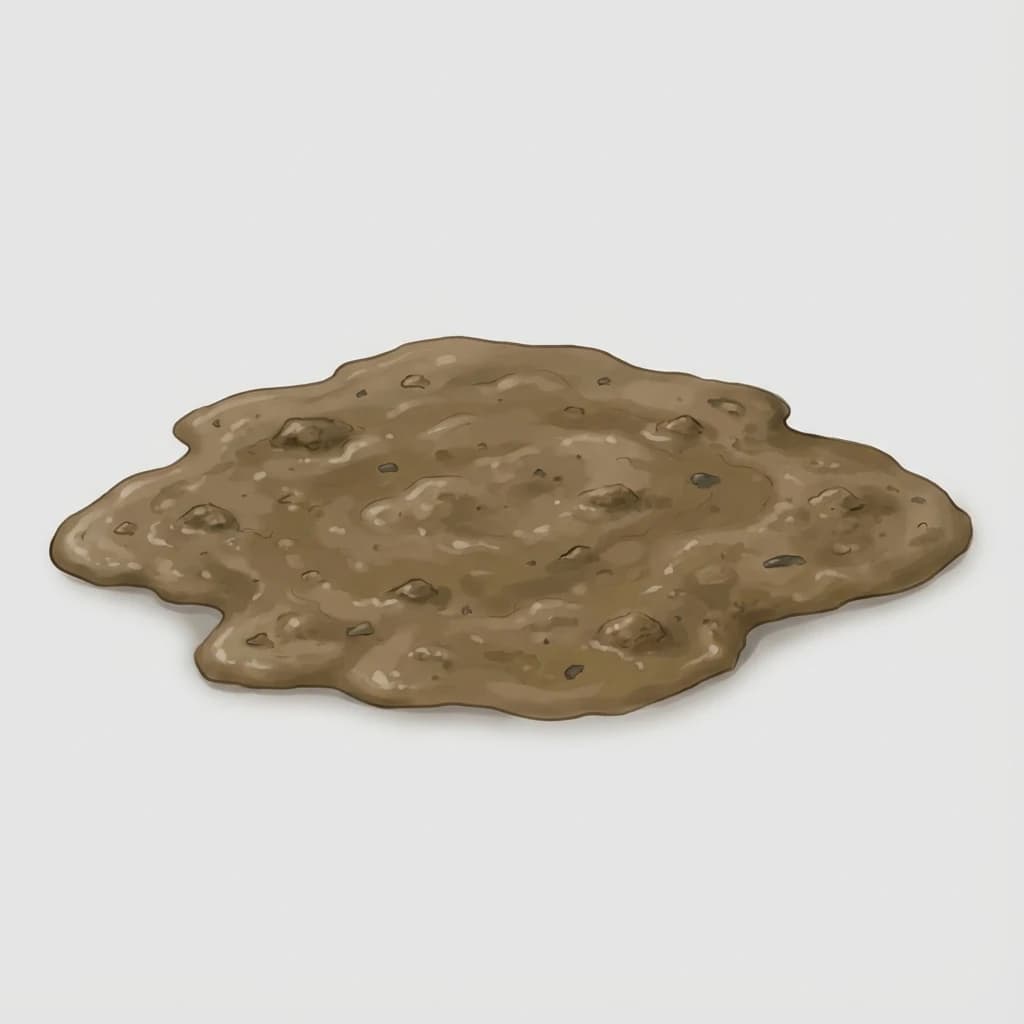
Our methodology

The 3C Method.

Three letters. Decades of veterinary research. Every visit, we capture color, consistency, and content — the same indicators vets use to spot trouble early.

Why stool, why these three?

“Stool changes are often the first sign something is off — long before the dog acts sick.”

Veterinary common knowledgeEchoed in WSAVA, AAHA, and standard small-animal manuals.
The framework

A simple lens for a noisy signal.

Vets evaluate stool on dozens of dimensions — color, hydration, fiber, mucus, undigested matter, parasites, foreign objects, frequency, urgency, blood, bile, fat. It's a lot.

The 3C method compresses that into three categorical buckets you can actually track over time. Not percentages. Not vet-speak. Just three labels per visit so patterns stand out when something shifts.

Every InsightScoop visit captures all three. Your recap shows them. The app charts them. When two consecutive visits change in a meaningful way, you get a heads up.

If your dog's poop changed three weeks ago, would you remember? We do — because we wrote it down every visit.
Ayden Wing · Founder, InsightScoop · Twin Cities
First letter
Color

What the color tells us.

Healthy dog stool is chocolate brown — bile pigments breaking down on a normal diet. When color shifts, it's almost always pointing at something specific.

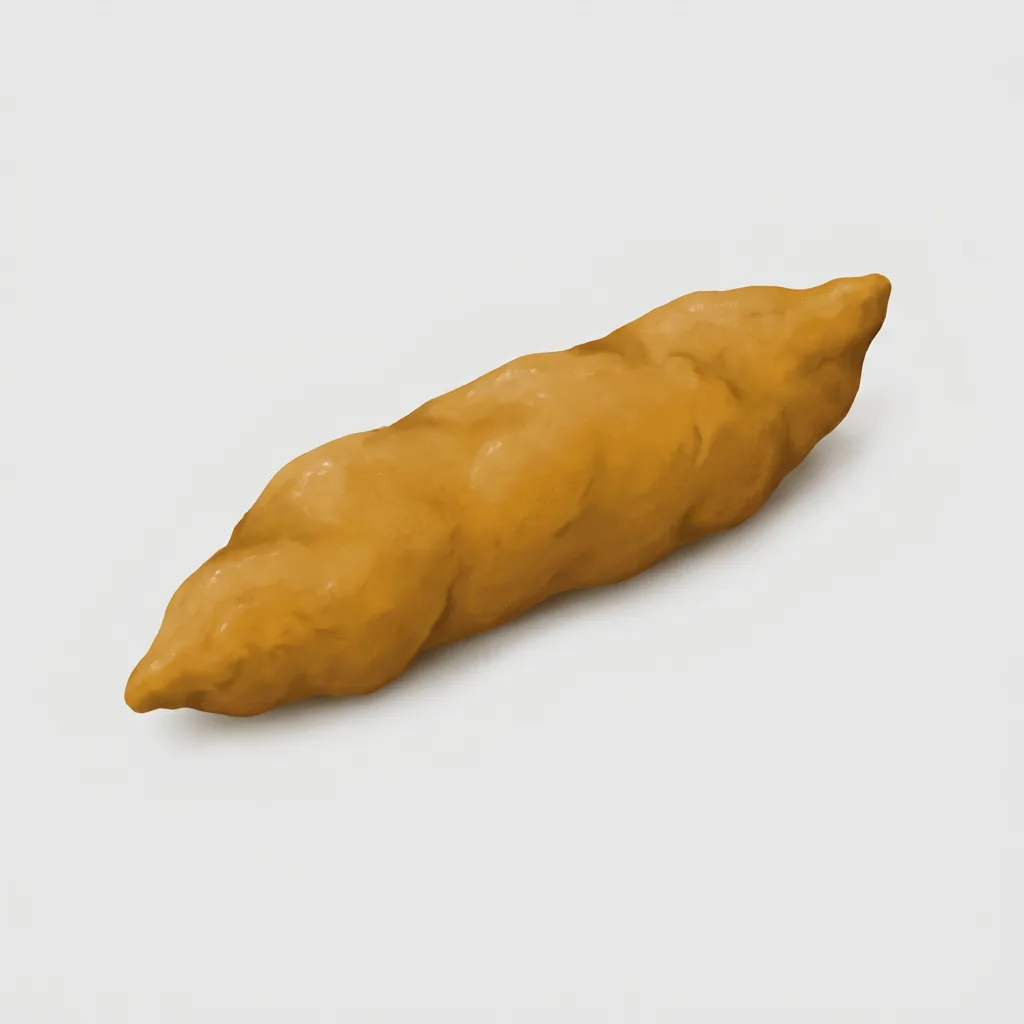
  • Yellow / orangeOften signals biliary issues or fast transit. Sometimes diet — chicken-heavy meals shift hue.
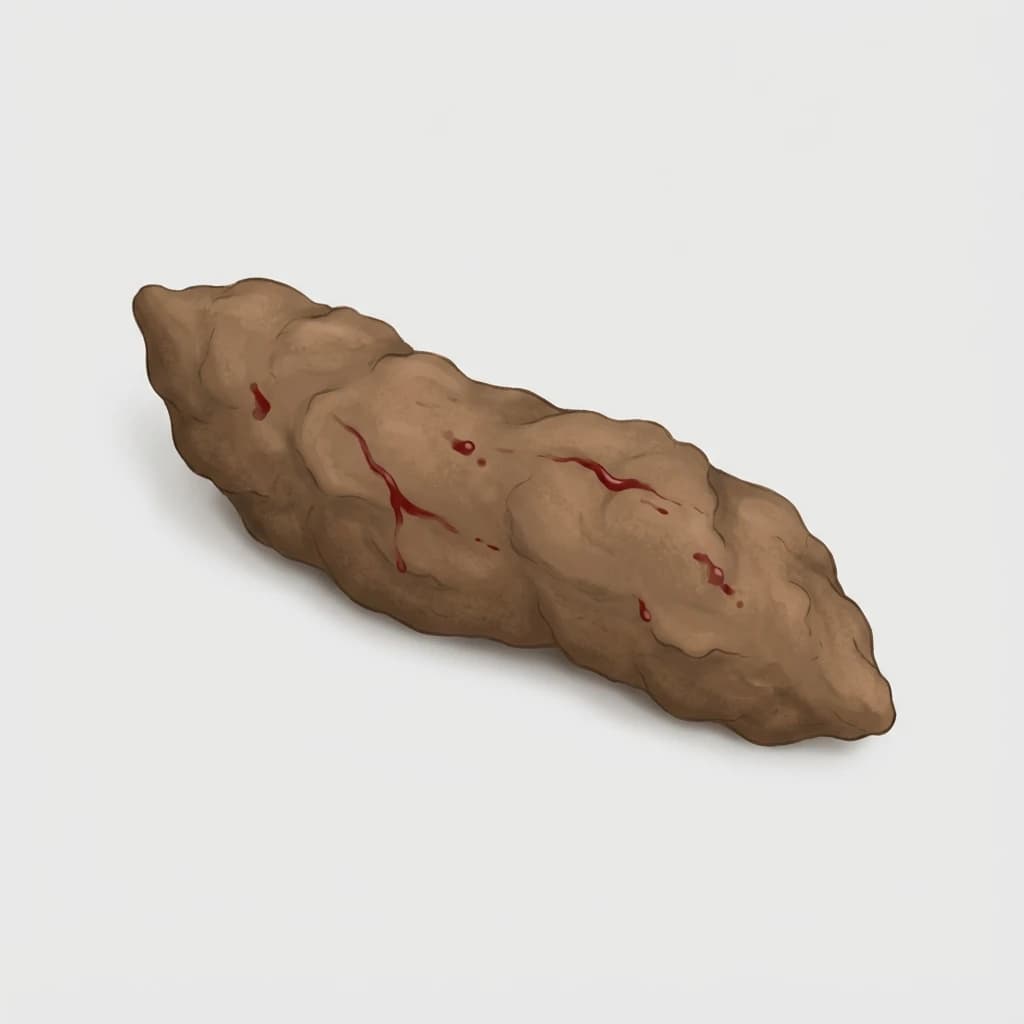
  • Streaks of redLower-GI bleeding (anal glands, colitis). One streak = note. Recurring = vet conversation.
  • !
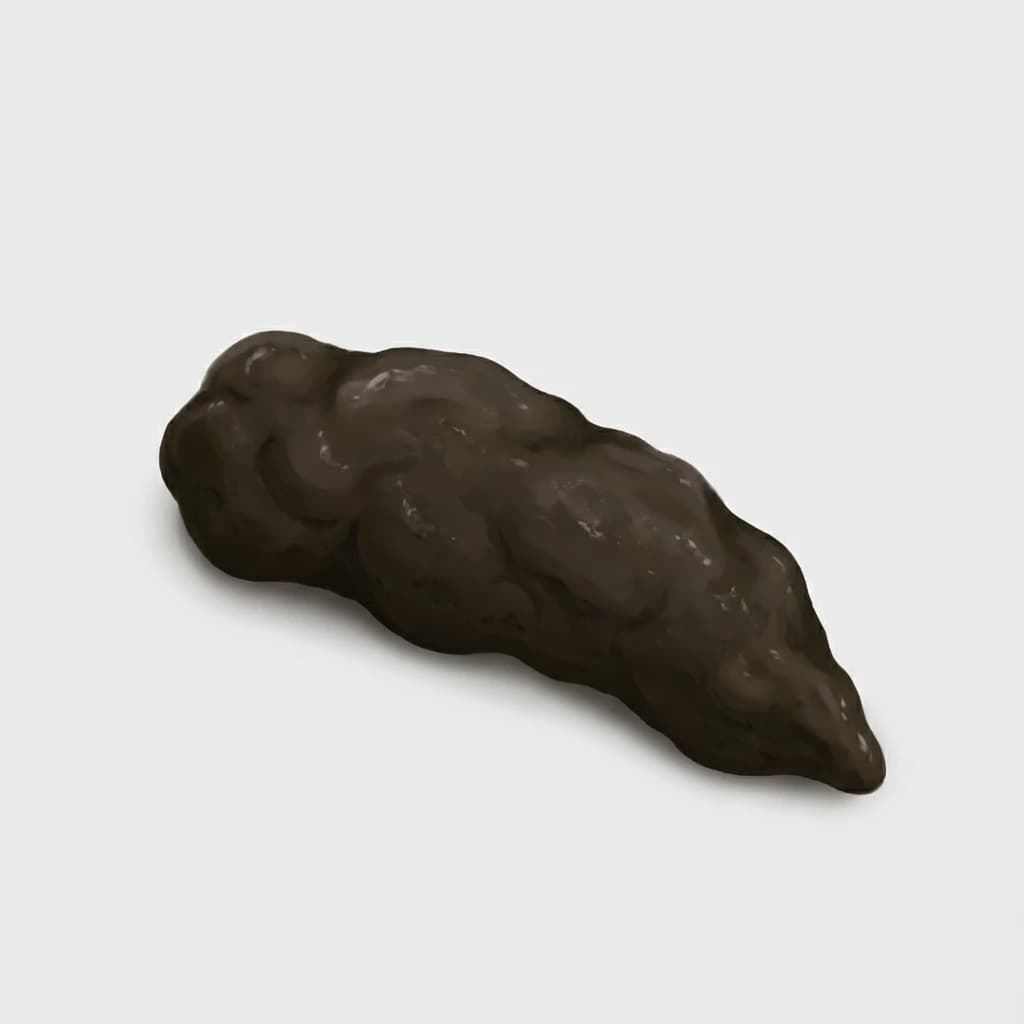
    Black / tarryPossible upper-GI bleed. Always flag urgent — even one occurrence.
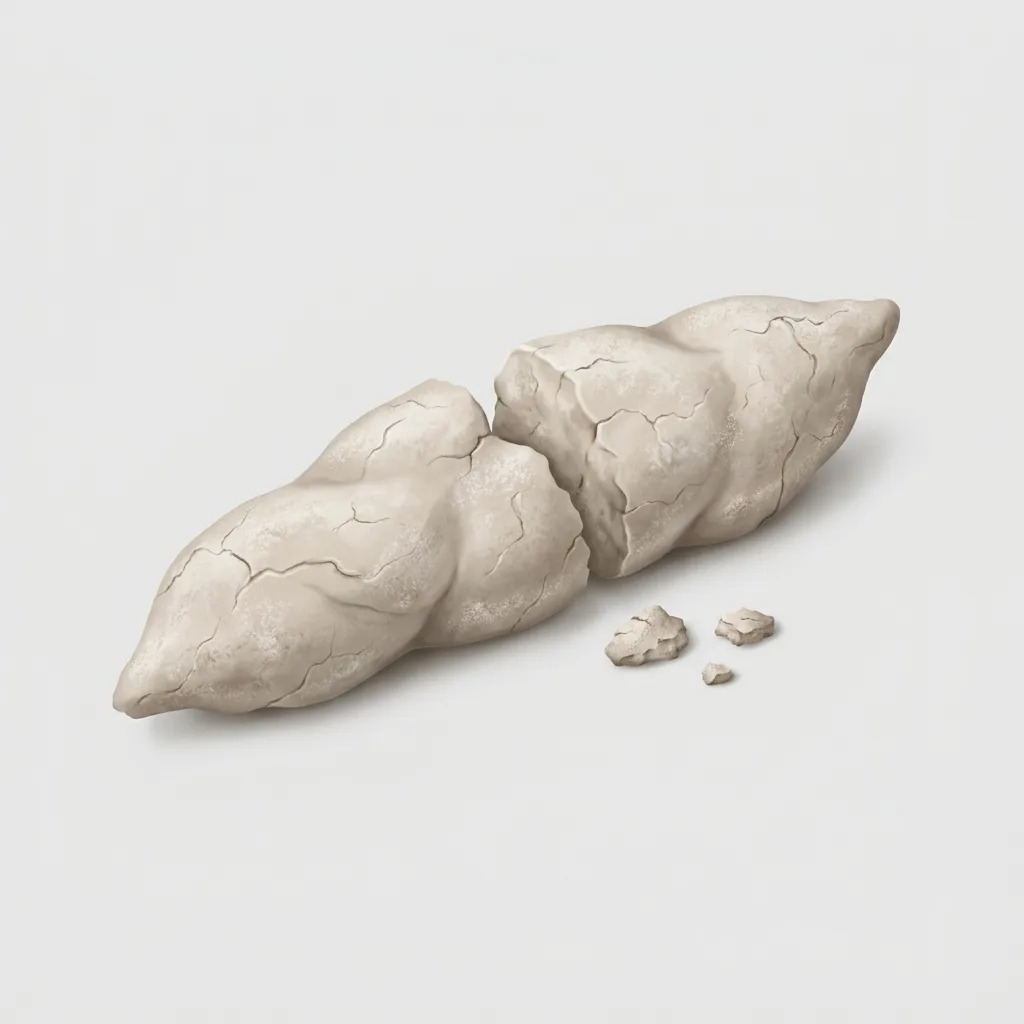
  • White / chalkyExcess calcium or pancreatic insufficiency. Common on raw bone diets — confirm with diet log.
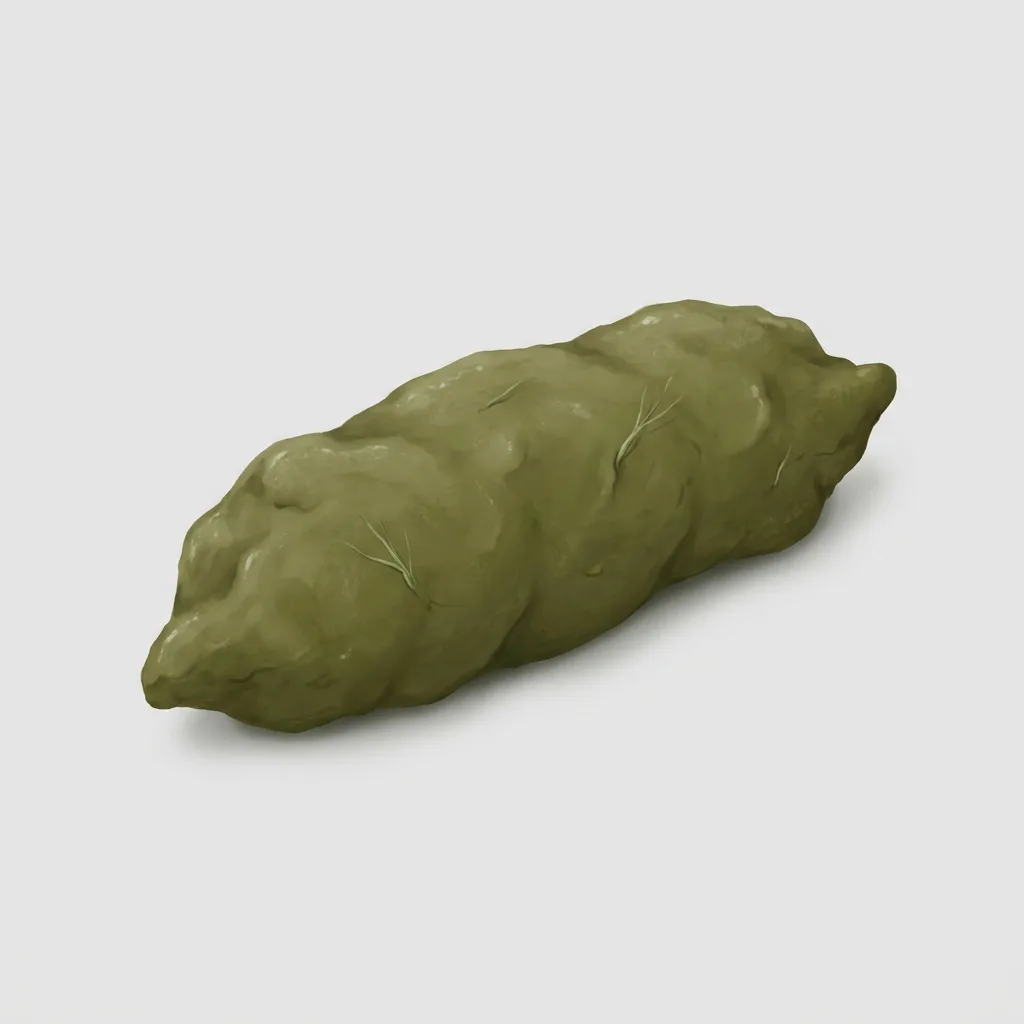
  • GreenBile-rich (rapid transit) or grass eating. Usually benign; recurring = check diet.
→ The brown spectrum

Healthy is dead-center.

← Pale
Healthy brown
Tarry →
Chocolate brownBile breakdown on a balanced diet. What we want to see most days.
Normal
Streaks of redFresh blood from the lower GI tract. One-off ≠ alarm; recurring = call your vet.
Watch
Black, tarry, stickyDigested blood from the upper GI tract. Always urgent — even one.
Urgent
→ The dog Bristol scale

Adapted for canines.

1
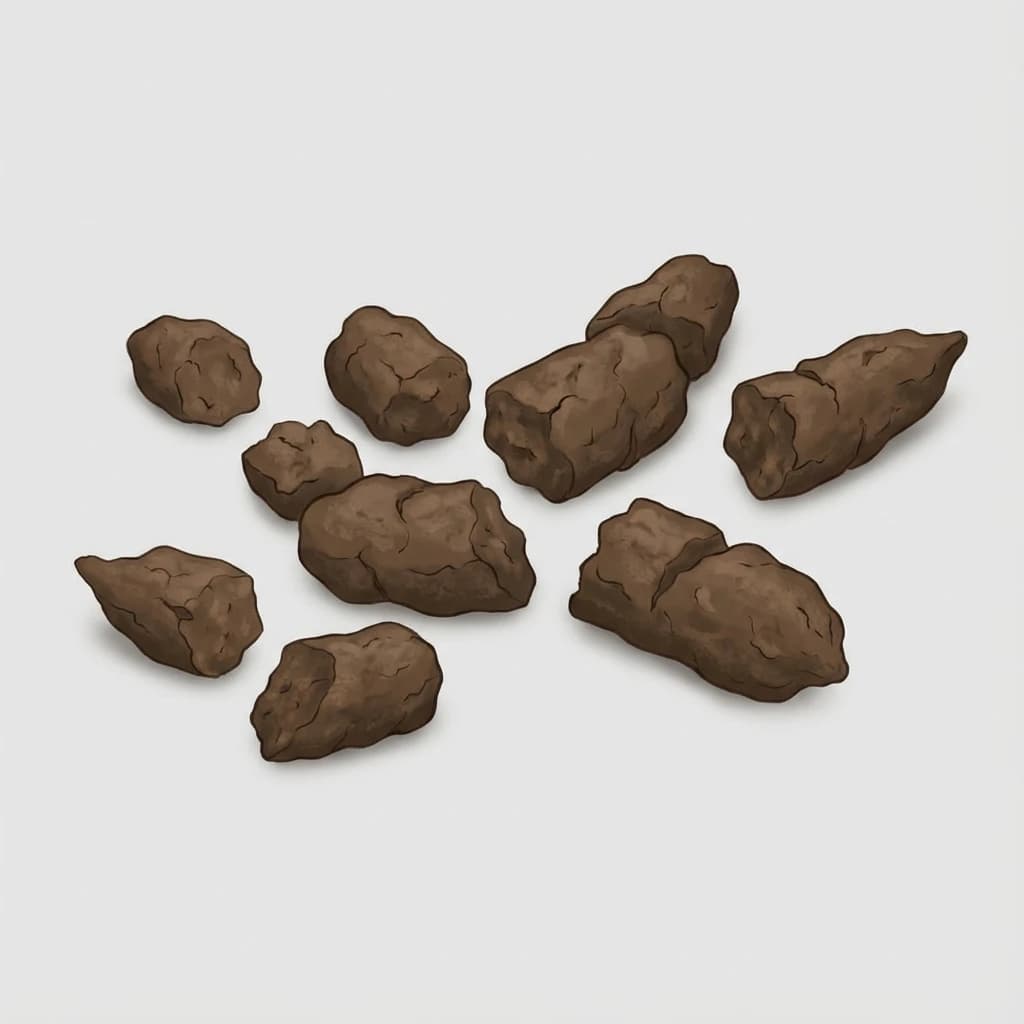
Hard pellets
Separate, like nuts. Constipation territory.
Watch
2
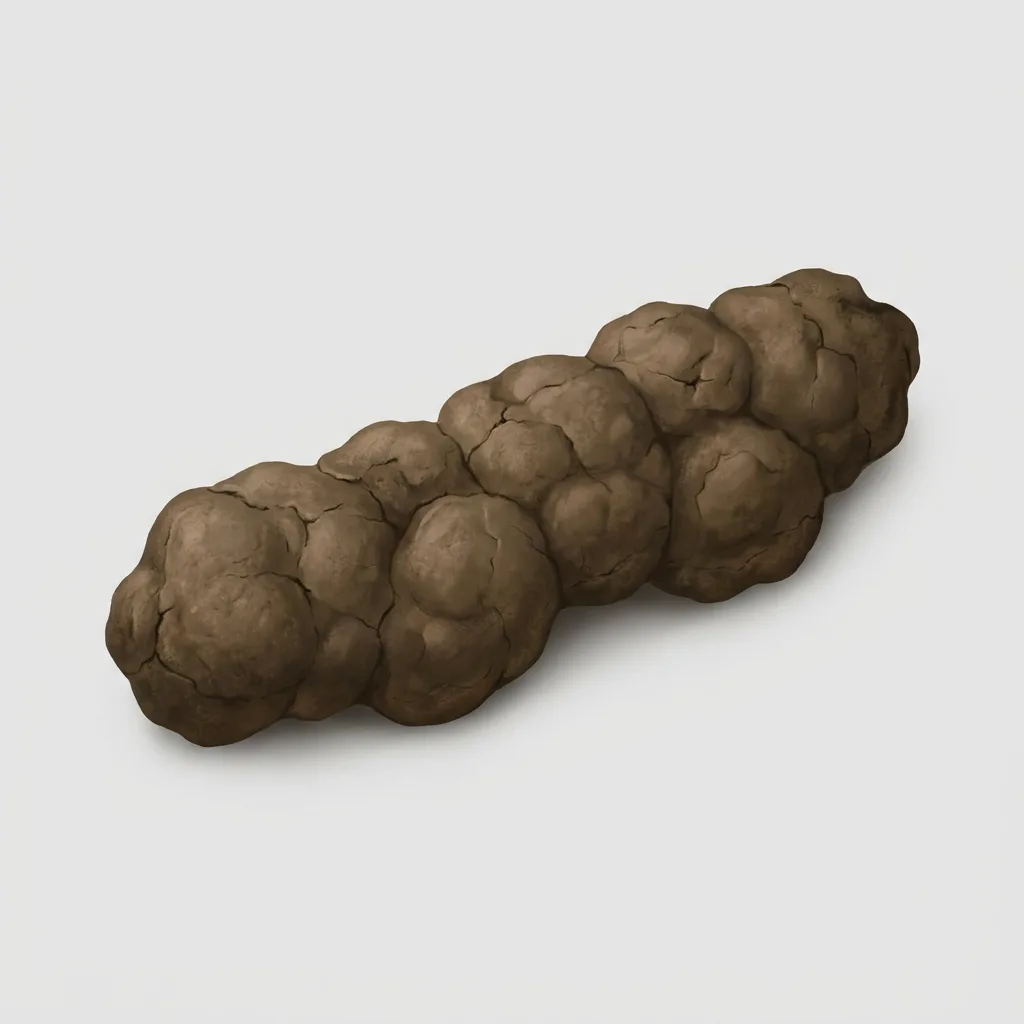
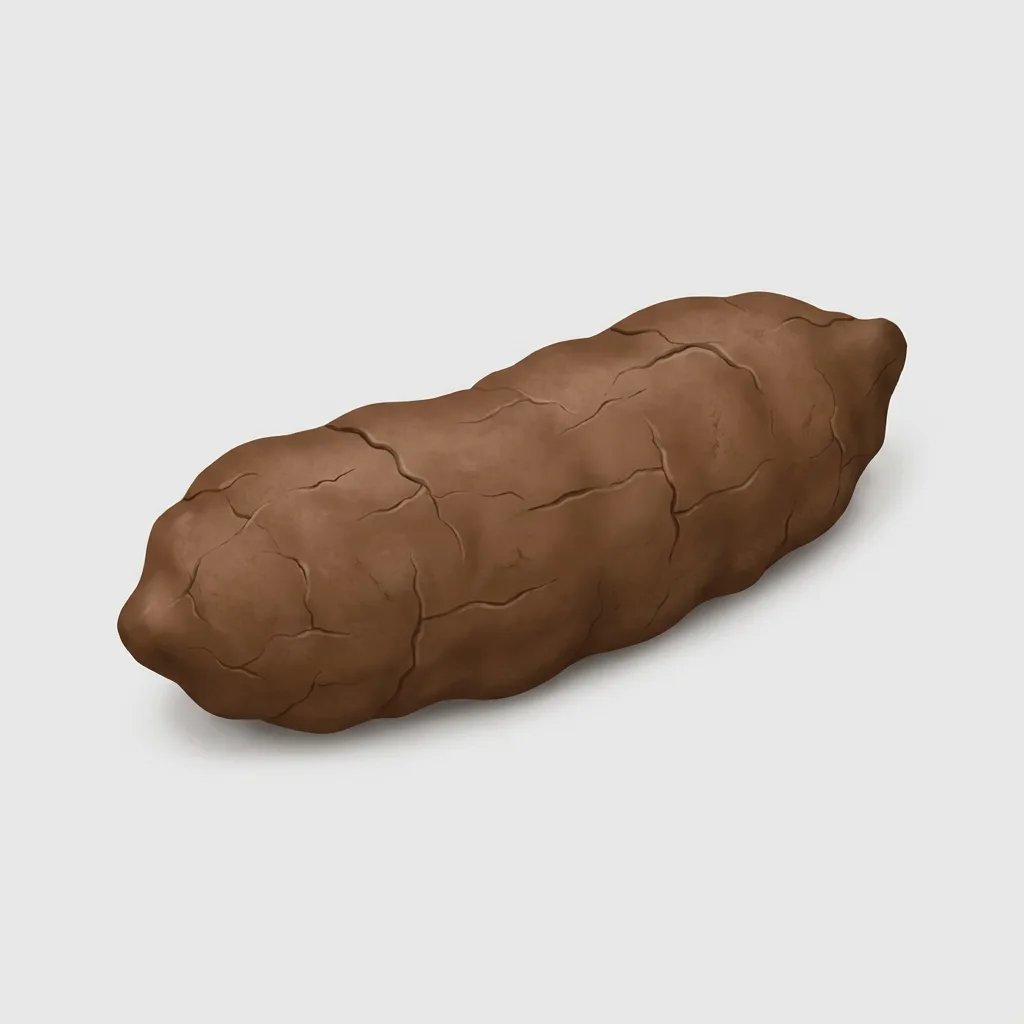
Lumpy log
Hard, knobbly. Mildly dehydrated.
Lean dry
3
Cracked log
Sausage shape, surface cracks. Healthy edge.
Normal
4
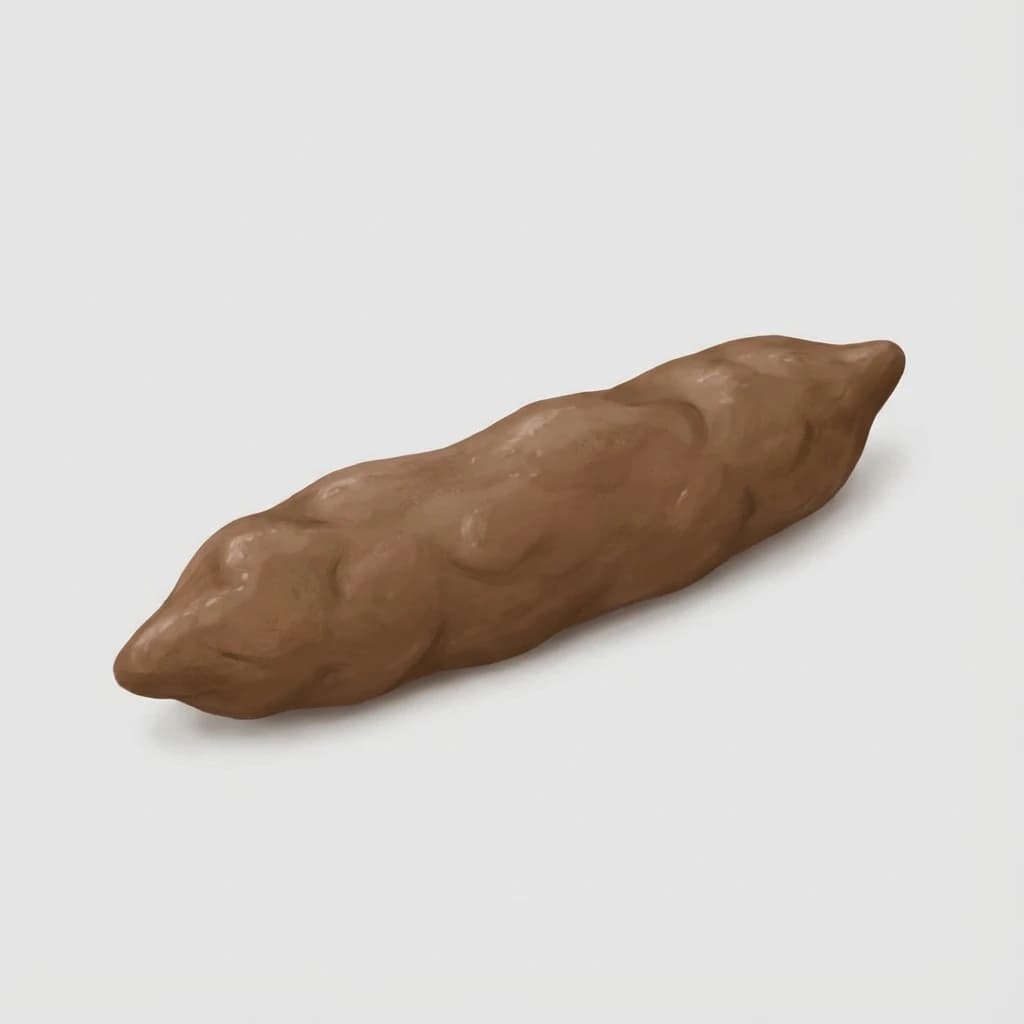
Smooth log← ideal
Sausage, smooth, holds shape. Picture-perfect.
Ideal
5
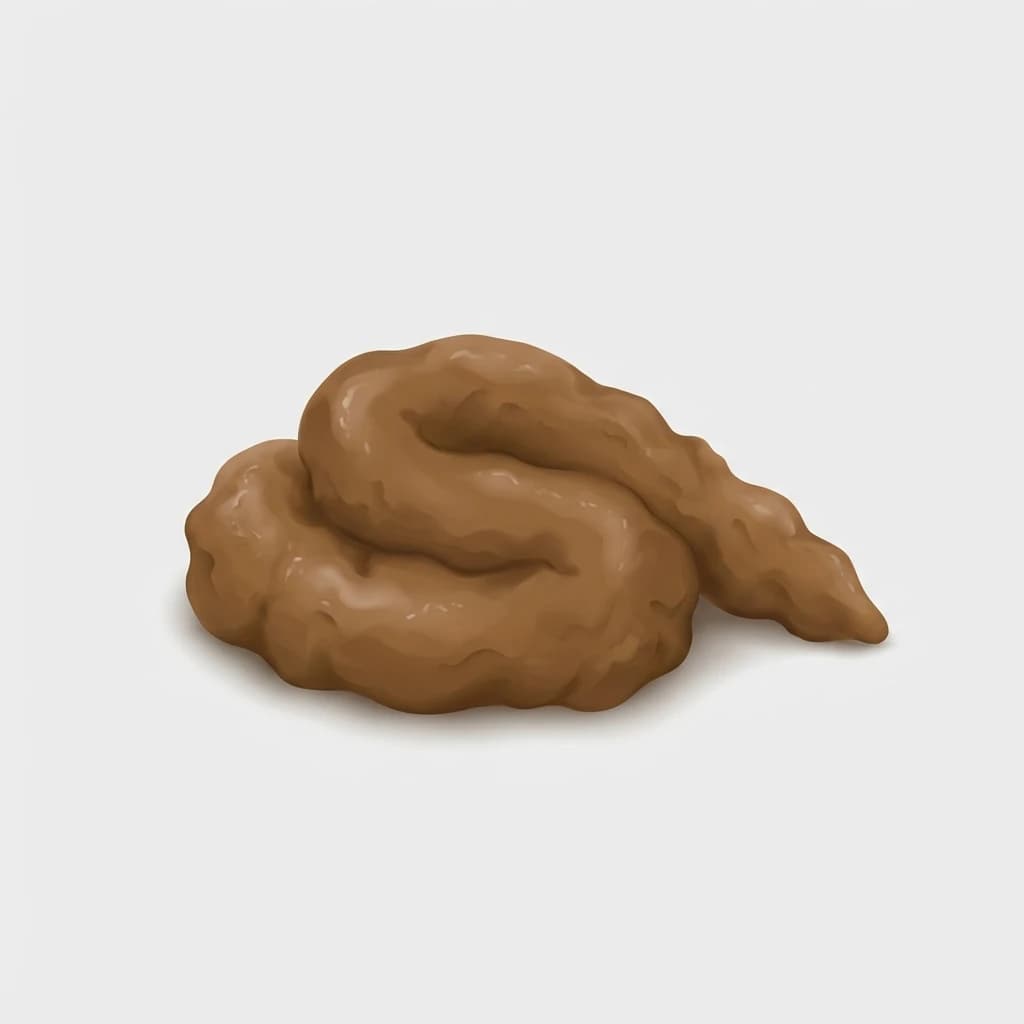
Soft blobs
Edges defined but loose. Mild looseness.
Normal
6
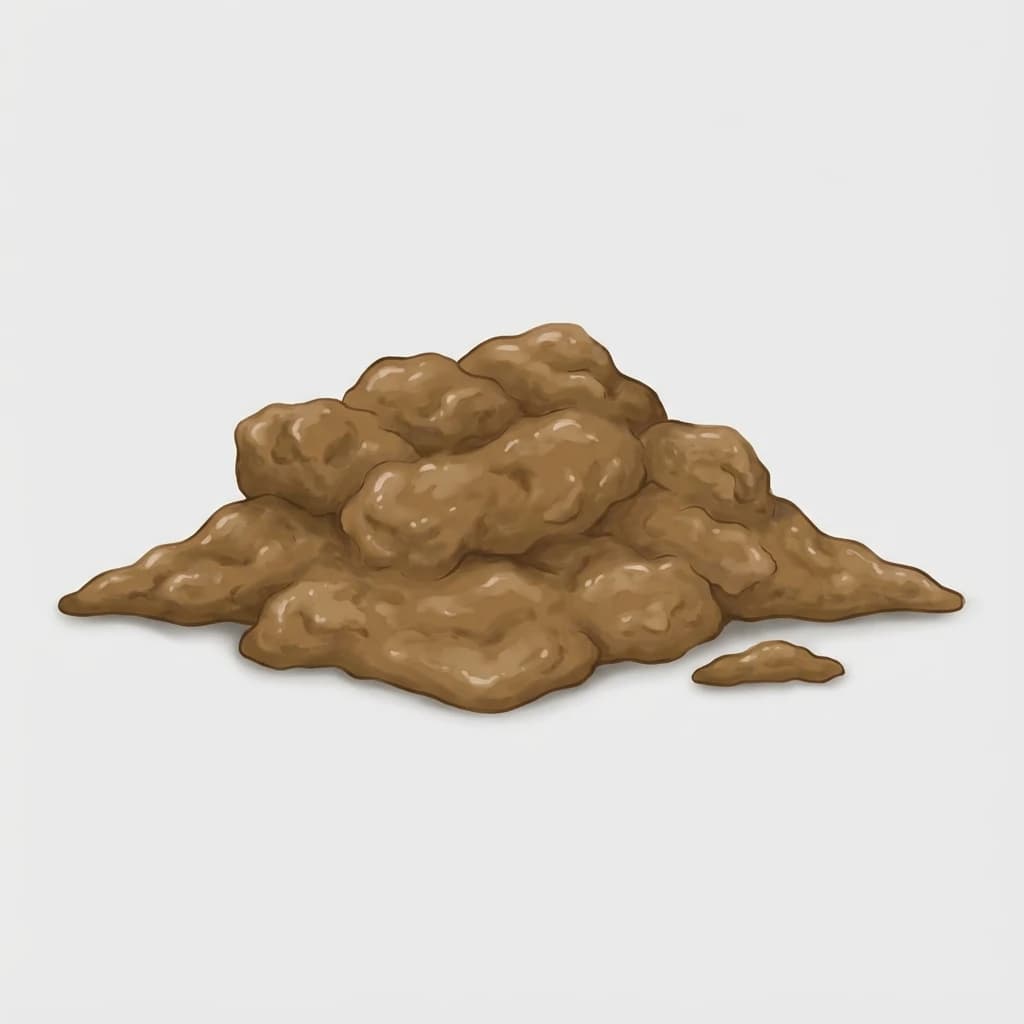
Mushy
Fluffy, ragged edges. Diet shift, stress, or virus.
Watch
7
Liquid
No solid pieces. Diarrhea — >24 hrs = vet.
Urgent
Second letter
Consistency

What consistency tells us.

Consistency reflects hydration, fiber intake, and GI motility. We score it on a 7-point scale adapted from the Bristol Stool Chart — same logic, calibrated for canines.

  • 4 is the sweet spotSmooth, holds shape, easy pickup. ~70% of dogs land here on a stable diet.
  • 1–2 = drinking more waterPersistent <3 over a week often resolves with hydration + slight fiber adjustment.
  • 6–7 = pause and watchSingle episode after a “got into something” day = expected. Two consecutive visits = flag.
  • Trends matter more than daysHealthy ≠ a 4 every day. Healthy = mostly 3–5 with explainable outliers.
Third letter
Content

What's in the stool.

Content is what doesn't belong. Mucus, parasites, hair, undigested food, bone, foreign objects. We log every notable inclusion — the ones that show up routinely become baseline; the new ones become signals.

  • ~
    Mucus coatingThin sheen of jelly is normal. Heavy or recurring = colon irritation.
  • Visible parasitesRoundworm or tapeworm segments — always flagged urgent. Vet within 48 hrs.
  • Undigested foodEating too fast, allergy, or pancreatic insufficiency. Pattern with consistency tells us which.
  • Foreign objectsSock, mulch, plastic, plant matter. Always logged with photo if found.
→ Inclusion library

What we flag, by severity.

Light mucus

Thin coating, occasional. Common.

Normal

Hair clumps

Some grooming buildup is fine; clumps every visit = check coat.

Watch

Undigested kibble

Eating fast, food sensitivity, or absorption issue.

Watch

Heavy mucus

Glistening sheets or jelly. Colon stress signal.

Watch

Parasite segments

Tapeworm rice-grain pieces or roundworms.

Urgent

Foreign objects

Plastic, sock, sharp matter — photographed + logged.

Urgent
How we do it

The capture, in 12 seconds.

No manual logging. No photos for you to upload. Our patent-pending field device handles the 3C scan during the visit — your scooper barely breaks stride.

1

Sample is collected

Scooper bags as normal. Before sealing, the sample passes under the device's hood.

~3 sec
2

Device scans color & consistency

Calibrated optics measure brown-spectrum hue and surface texture against the Bristol scale.

~5 sec
3

Anomaly check for content

Computer vision flags inclusions: mucus, parasites, hair, foreign objects, undigested food.

~3 sec
4

Recap delivered to your phone

Visit summary with C-C-C labels, gate photo proof, and any flagged irregularities.

Within 1 hr
→ Live capture

The visit recap.

ColorChocolate brownNormal
ConsistencySmooth log · 4/7Ideal
ContentLight mucusWatch

All within range for Pixel — same pattern as the last 6 visits.

What you receive

Every visit. Same format.

A simple recap link. Three labels. Trend over time. No vet-speak — just enough to spot when something shifts.

Visit recap · Pixel

March 18, 2026 · 7:42 AM

Visit #28 · NE Minneapolis
Color
Chocolate brown
Score 4 of 7 — within healthy range.
Normal
Consistency
Smooth log
Score 4 of 7 — ideal Bristol score.
Ideal
Content
Light mucus
Common; matches Pixel's baseline.
Watch

4-week consistency trend

Improving — 28 visits
Normal (3–5)Watch (1–2 or 6)Urgent (7)

Important: This is wellness, not diagnosis.

The 3C method tracks patterns and flags changes. It does not diagnose disease. We are not a substitute for a veterinarian — we make it easier to know when to call one.

If your dog is acting sick, lethargic, refusing food, or showing acute symptoms, don't wait for a recap — call your vet.

Three letters. Real peace of mind.

Scoop service starts at $24/visit and includes the full 3C recap every time. The free app gives you 1 scan per day. Try it however you want.

The 3C Method — InsightScoop