
Denver, CO.
InsightScoop is opening a Denver crew. Weekly dog waste removal with AI stool scoring, built for a mile-high winter that freezes hard overnight and thaws in the sun by noon, and for the gravel and xeric yards that come with fifteen inches of precipitation a year.
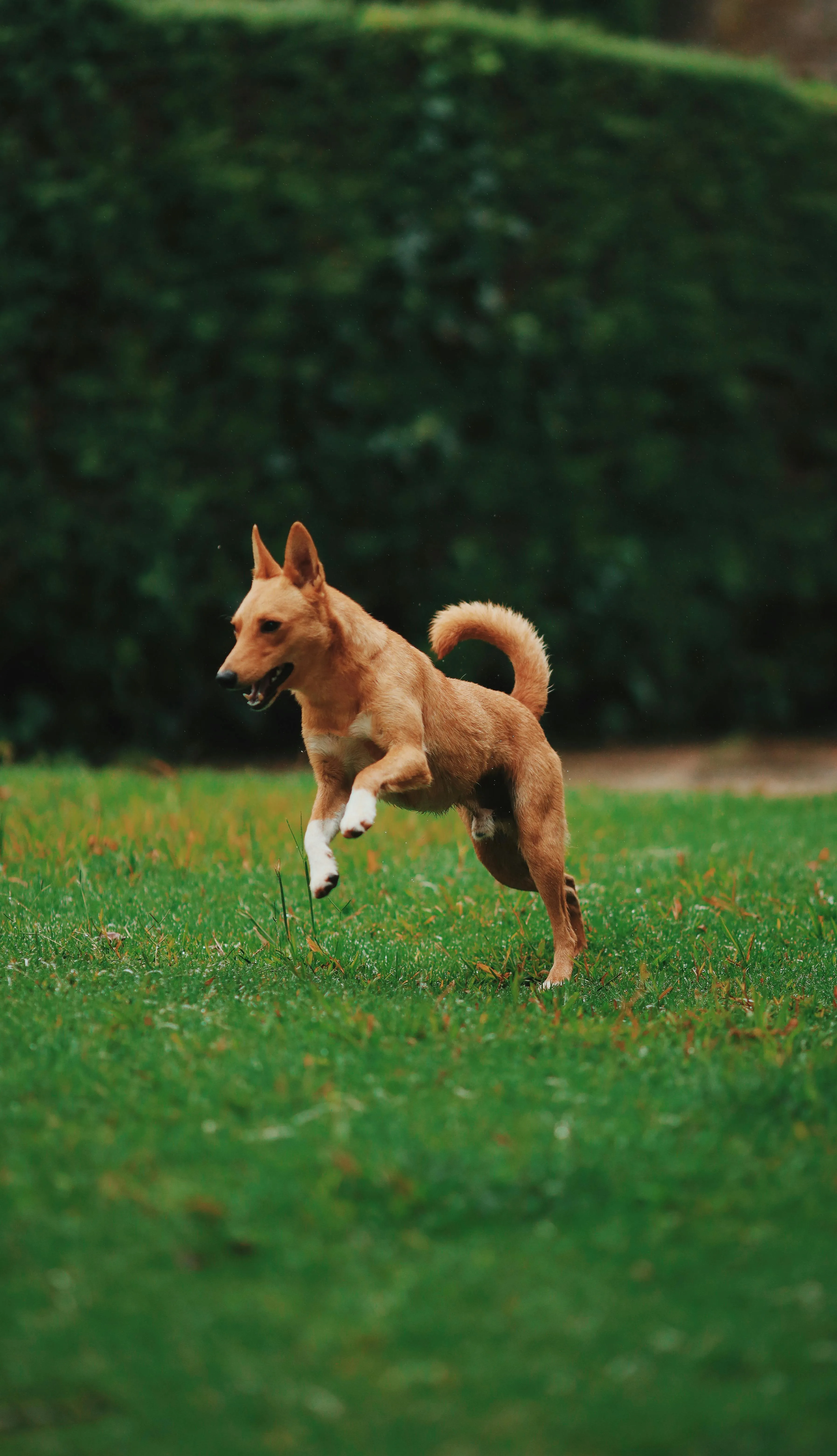
Dry snow, hard freeze, high-altitude sun
Dry snow does not stay on the lawn. Neither do we.
- Dry snow and hard freeze
- Front Range snow is dry enough to blow off the lawn and pile against the fence, and the high-altitude sun can strip a yard bare between two storms. Crews sweep the gravel and rock mulch as carefully as the turf, because on a xeric yard that is where most of it ends up, and spruce needle drop gets cleared rather than scored as content.Gravel and rock mulch swept, not just turf.
- Gravel counts as yard
- Blue spruce and aspen drop into rock mulch that hides everything and rinses nothing, and xeric turf gives no cover to work with. Crews sweep the gravel beds on the same pass as the grass, which is the half of a Front Range yard most services skip.blue spruce, aspen, xeric turf, gravel
The visit
What every visit leaves behind.
- 01Scoopers
- Every scooper is background-checked before their first route, and those with their own insurance show an Insured badge.
- 02The yard
- The whole yard, corners included, in a lawn-safe pattern. The waste is bagged and taken away.
- 03The gate
- The gate is shut and photographed on the way out, and the photo reaches your phone. You need not be home.
- 04The record
- Each visit records a color, consistency and content read in the app, dated, so a change has something to be compared against.
- 05One thread
- Skips, reschedules and gate notes go through one thread with your scooper in the app.
- 06How often
- Weekly service keeps most yards guest-ready, and busy multi-dog homes can add a mid-week visit so nothing piles up.


Coverage
Service Area
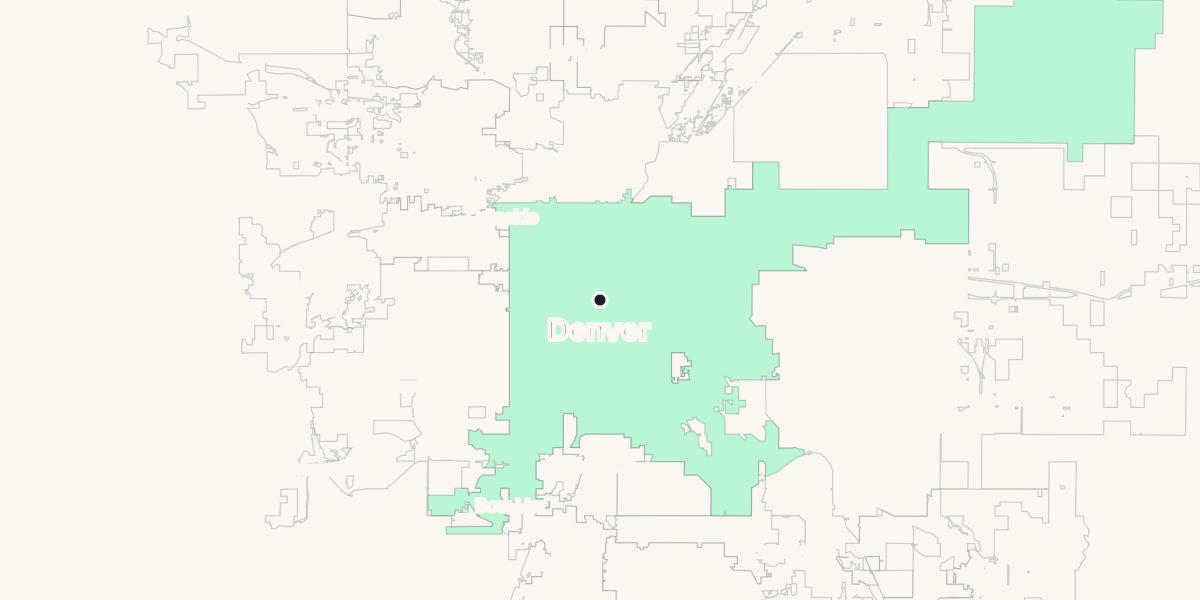
ZIP codes served
Denver, one neighborhood at a time.
Each guide covers what is particular to that part of the city: the yards, the access and the local rules worth knowing.
- Washington Park
- Wide lots on a grid wrapped around one of the largest parks in the city. Dogs here log heavy mileage on park grass that half the neighborhood also uses, which makes what comes home a shared-exposure question rather than a private one.
- Highlands
- Victorian and scrape-and-build on the same block, small lots, and a grade that runs downhill toward the Platte. Melt water tracks along that grade, so anything left uphill ends up collected at the bottom fence line.
- Capitol Hill
- The densest square mile in the state: brick apartment blocks, shared back courts and almost no private lawn. Service is courtyards, strips of grass beside the parking pad, and the alley side of a building nobody has cleaned since the last freeze.
- Cherry Creek
- Townhomes and rebuilt single-family on tight lots, most with an artificial-turf patch instead of a lawn and a trail head two blocks away. Synthetic turf does not absorb anything, which changes both the tool and the smell.
- Central Park
- The redeveloped airport land north of I-70, renamed in 2020. New build, alley-loaded garages, small fenced yards and an active HOA that has a written opinion about what your back yard looks like from the pocket park behind it.
- Park Hill
- Brick bungalows under mature street trees on some of the deepest lots in the city. Leaf litter in October and again in April hides more than people expect, and a deep lot means the far third only gets looked at when someone is paid to look at it.
- Sloan's Lake
- Row homes and duplexes going up around the biggest lake in Denver, with yards measured in feet rather than square footage. Small ground means high concentration, and high concentration is what makes a weekly cadence non-negotiable here.
- Berkeley
- Older cottages and rebuilt boxes north of Tennyson Street, plenty of them landscaped in rock mulch and drought-tolerant planting rather than lawn. Gravel is the hardest surface in the city to clear properly, because there is nothing to rake against.
Local sources
The municipal and veterinary pages we point owners here to, so the rules and the health advice come from the people who set them.
- Denver animal ordinances and legislationThe city and county's own index of the animal rules, including the requirement to remove excrement from any property that is not your own.
- Picking up after your dog (City and County of Denver)Denver's own one-page guidance on disposal, including why bagged waste must not go into a storm sewer.
Frequently asked questions
Does the snow stop service in Denver?
Rarely, and that is the point of the schedule. Denver storms are usually followed by sun that clears the yard within a day or two, so the visit is timed for the thaw rather than cancelled for the snow. March is the heaviest snow month here, and the wet spring snow that comes with it is exactly when a yard nobody has cleared all winter becomes one very large job.
How often does InsightScoop clean yards in Denver?
Weekly for most of the metro. It matters more here than people assume, because Denver's dry cold preserves what it freezes: very little breaks down between November and March, so a skipped month is not gone, it is stored under the snow waiting for the melt.
What about gravel, rock mulch and xeric yards?
They are common in Denver and they are slower to clear than turf. A rake has nothing to pull against in decomposed granite, so those zones are worked by hand, and the quote reflects the extra time rather than hiding it. Tell us which parts of the yard are rock when you book so the estimate is right the first time.
Does InsightScoop offer AI stool monitoring in Denver?
Yes. The scooper photographs the stool from a phone and the app records a color, consistency and content read at every visit. It is not a diagnosis, but for dogs that share water at trail heads, Cherry Creek State Park or the Berkeley dog park a weekly record makes a change visible as a pattern rather than a bad weekend.
Can I request proof-of-service photos in Denver?
Every visit ends with timestamped photos and locked-gate confirmation. Central Park HOAs and Capitol Hill landlords use that record most, because it settles the question without anyone walking the property.
When will InsightScoop launch in Denver?
The Denver crew is being recruited now. Join the waitlist and we will contact you when service opens in your zip code.
A clean yard, and a record of every visit.
We are not scooping in Denver yet. Join the waitlist and we will tell you when a crew is here.