
Salt Lake City, UT.
InsightScoop is recruiting a Salt Lake City crew. Weekly dog waste removal with AI stool scoring for a valley where four of the canyons above town are closed to dogs because they are the drinking water, and where January air sits on the floor of the valley for weeks.
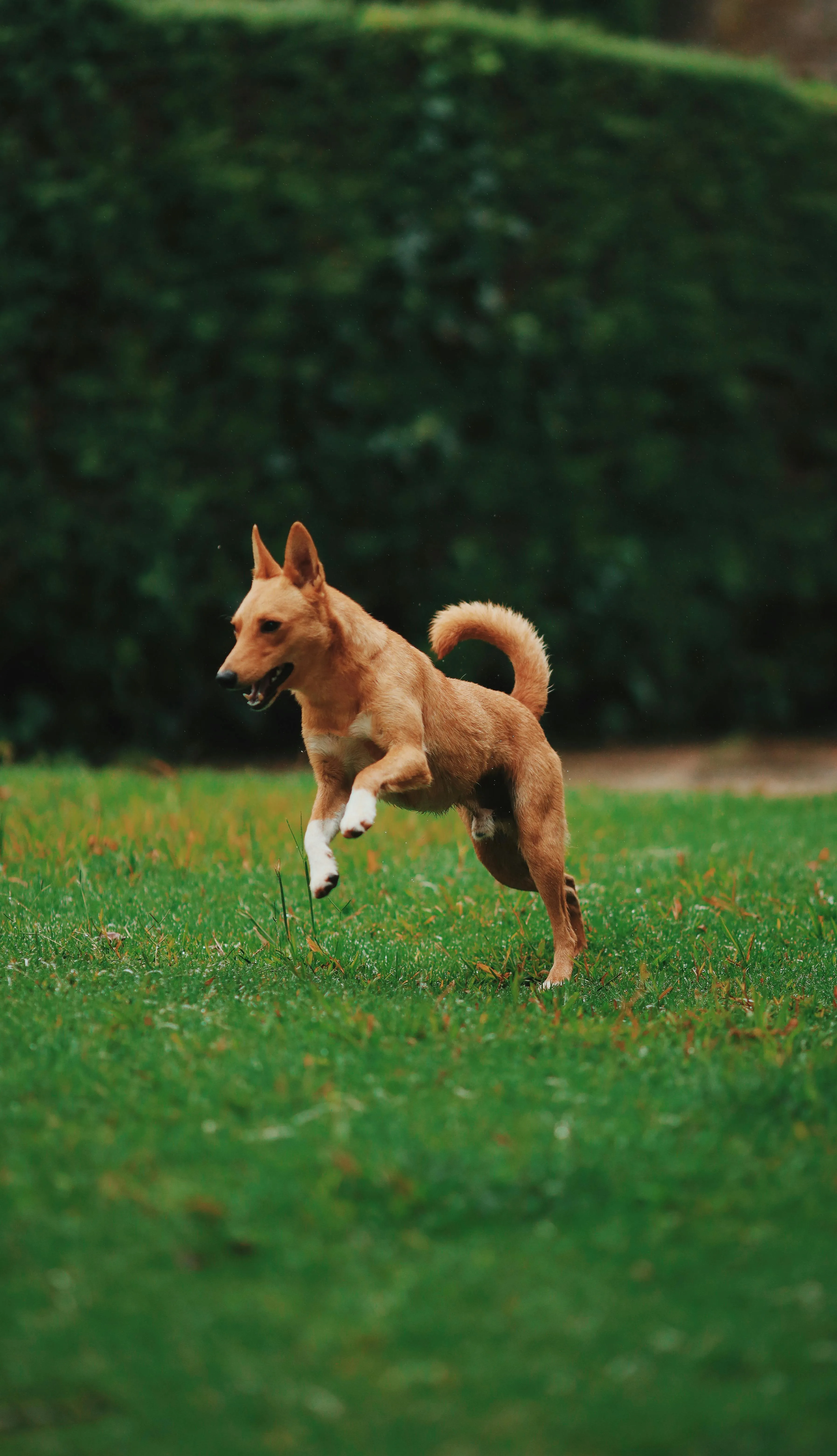
Dry snow, hard freeze, high-altitude sun
Under a week of inversion, nothing melts. We still show up.
- Inversion and hard freeze
- A valley inversion can hold cold air over the bench for a week, so snow that fell in December is still there in January with everything under it. Crews clear the shaded north side and the canyon-facing slope on the same cadence as the sunny half, and yards on watershed-adjacent lots get bagged and hauled rather than binned on site.North-shade and bench lots on the same cadence.
- Bench-lot ground cover
- Blue spruce and aspen litter freezes into the crust on the shaded side of a bench lot, and xeric turf and gravel give a crew nothing to rake. Every find comes off the yard bagged, because a canyon-adjacent lot drains toward somebody's drinking water.blue spruce, aspen, xeric turf, gravel
The visit
What every visit leaves behind.
- 01Scoopers
- Every scooper is background-checked before their first route, and those with their own insurance show an Insured badge.
- 02The yard
- The whole yard, corners included, in a lawn-safe pattern. The waste is bagged and taken away.
- 03The gate
- The gate is shut and photographed on the way out, and the photo reaches your phone. You need not be home.
- 04The record
- Each visit records a color, consistency and content read in the app, dated, so a change has something to be compared against.
- 05One thread
- Skips, reschedules and gate notes go through one thread with your scooper in the app.
- 06How often
- Weekly service keeps most yards guest-ready, and busy multi-dog homes can add a mid-week visit so nothing piles up.


Coverage
Service Area
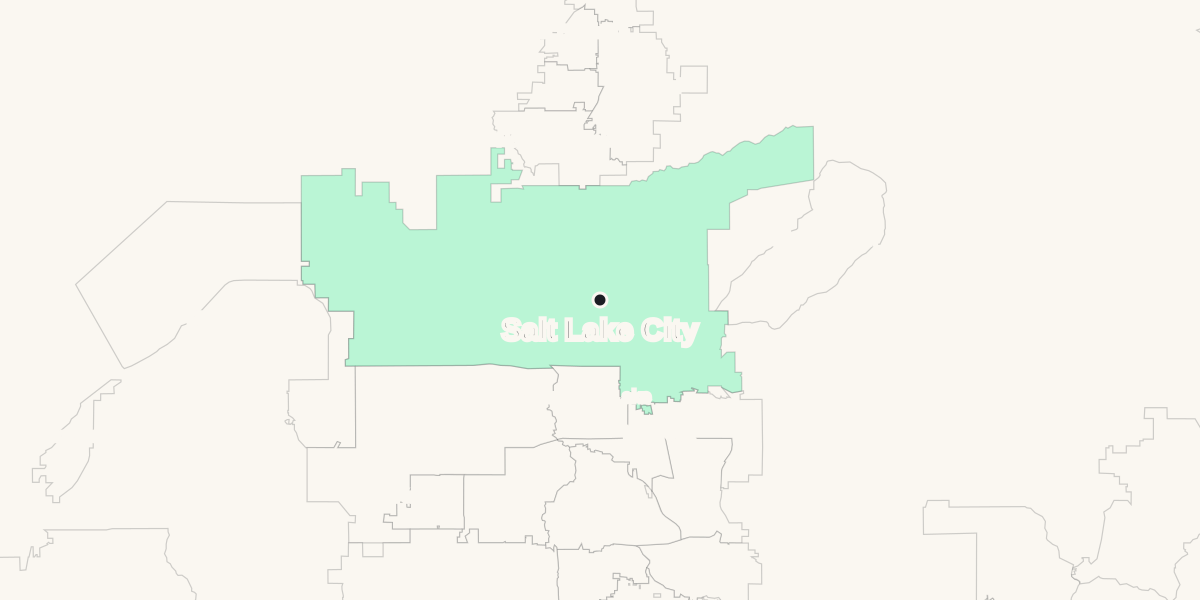
ZIP codes served
Salt Lake City, one neighborhood at a time.
Each guide covers what is particular to that part of the city: the yards, the access and the local rules worth knowing.
- Sugar House
- Bungalows and post-war brick on the bench, backing onto the biggest concentration of dog owners in the valley. Sugar House Park and the off-leash ground at Parley's are within walking distance of most of it, so local dogs mix daily with dogs from four other neighborhoods.
- The Avenues
- A steep grid climbing the north bench, laid out in the 1880s on lots narrower than anything else in the city. Most of the Avenues is uphill from its own back gate, and the crew works those yards on the grade rather than across it.
- Downtown
- The grid is the address system here, and downtown blocks are enormous by any other city's standard. Service is mid-block courtyards, rooftop relief decks and the strips of planted ground between a tower and the sidewalk.
- 9th & 9th
- The intersection is literally 900 South and 900 East, and the district around it is small lots, older housing stock and a very high rate of dog ownership per square block. Back yards here are shared with a neighbor's fence on three sides.
- Liberty Wells
- The blocks south of Liberty Park, with detached garages, deep alleys and a mix of rentals and long-held family homes. The alley is the working route here and the park is where most of the neighborhood's dogs spend their mornings.
- Capitol Hill
- The slope above the state capitol, including the Marmalade blocks with their fruit-tree street names. Retaining walls, terraced yards and stairs to the back door make most of these properties a carry-out rather than a wheel-out.
- Yalecrest
- The Harvard and Yale streets east of the university, a historic district of 1920s and 1930s homes on flat, formal lots. Yalecrest owners tend to hold the lawn to a high standard and to notice when a crew has taken a shortcut.
Local sources
The municipal and veterinary pages we point owners here to, so the rules and the health advice come from the people who set them.
Frequently asked questions
Why does the watershed rule matter for my yard?
Salt Lake City draws a large share of its drinking water from City Creek, Parleys, Big Cottonwood and Little Cottonwood canyons, and dogs are prohibited in all four for that reason. Millcreek Canyon is the one that allows them. None of that regulates your back yard directly, but the reason behind it does: what is not collected leaves with the runoff. Weekly collection is the version of that a household can act on.
How often does InsightScoop clean yards in Salt Lake City?
Weekly for most of the valley. Utah's dry cold means very little decomposes between the first hard freeze and the spring melt, so anything skipped in December is still there in March, only harder to lift.
Does inversion season change anything?
It changes behavior more than it changes the work. During a long inversion people cut yard time down to letting the dog out and calling it back in, which is exactly when a yard goes uninspected for weeks. The visit and the photo set are how the yard stays accounted for during the stretch nobody wants to stand in it.
Does InsightScoop offer AI stool monitoring in Salt Lake City?
Yes. The scooper photographs the stool from a phone and the app records a color, consistency and content read at every visit. It is not a diagnosis, but for dogs that run Millcreek on odd days a weekly record is a trend line your vet can read rather than a single bad morning.
Can I get proof-of-service photos in Salt Lake City?
Every visit ends with timestamped photos and gate confirmation. On a terraced Capitol Hill lot or a steep Avenues yard that record also documents which parts of the property were reachable that day, which matters more here than on flat ground.
When will InsightScoop launch in Salt Lake City?
The Wasatch Front crew is being built now. Join the waitlist and we will reach out when service opens in your zip code.
A clean yard, and a record of every visit.
We are not scooping in Salt Lake City yet. Join the waitlist and we will tell you when a crew is here.